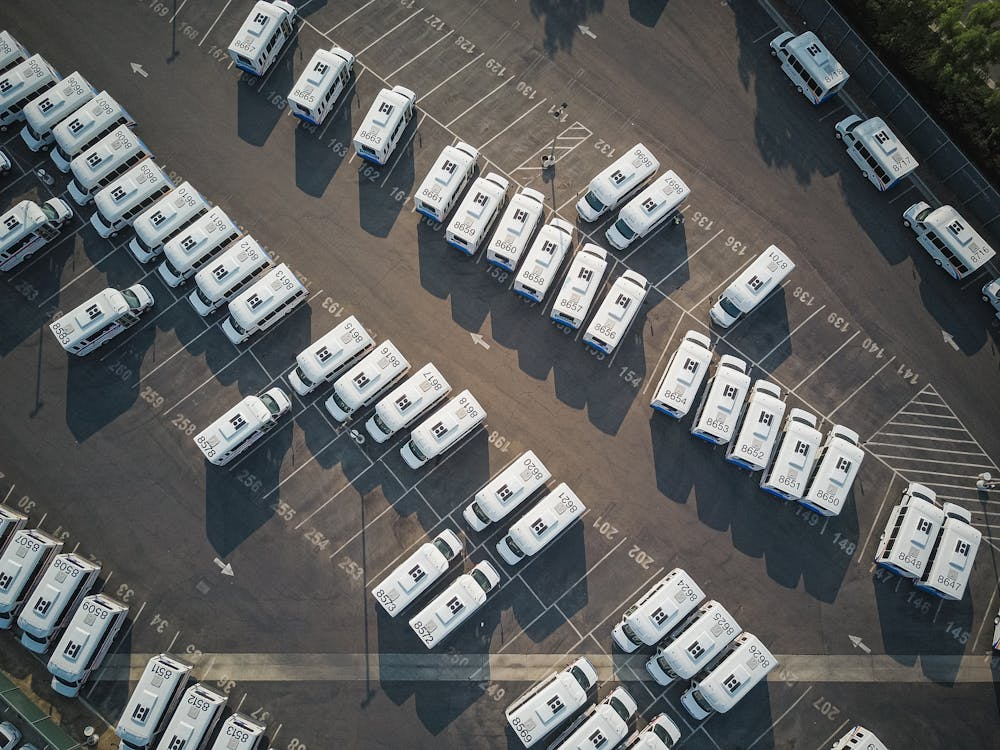
Fleet ownership is necessary for all kinds of businesses. Typically, you think of delivery and disruption companies as the only ones that need fleet vehicles. Having lots of vehicles around helps these businesses perform their core services - but here are some other types of businesses that may need a steady fleet:
- Services businesses that go to houses/properties to perform tasks (plumbers, electricians, handymen, etc.)
- Healthcare companies that send employees to customer’s homes to assist with things
- Car rental companies that need a steady supply of vehicles to loan out
- Construction companies that need to transport workers between sites
This list shows how necessary a fleet is across many sectors and industries. It can be a highly beneficial investment for your business, but this is just the beginning. You must learn how to manage your fleet as best as possible to keep your company going in the right direction.
Multiple things can hinder your fleet and your business. In this post, we’ll discuss some of the biggest concerns so you can learn how to get the most out of your fleet.
Excessive Fuel Costs
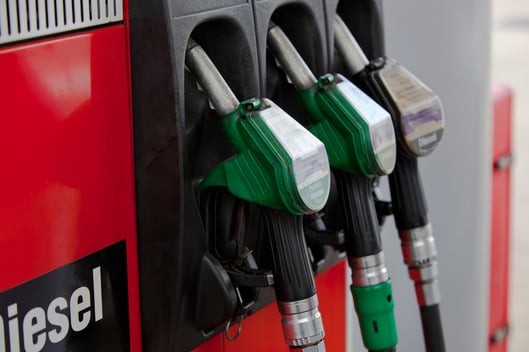
Running a fleet means you’ll need to pay to run the vehicles. This involves many of the things we’ll talk about later, but the big one is the fuel costs. These vehicles get used daily and may travel hundreds of miles each time.
Depending on how busy you are, this could mean they’re getting refueled every day. It leads to excessive gas costs that will eat into your budget. Consider ways to reduce your overall fuel costs before you get worried and try to pivot your startup away from a fleet.
The interesting thing about fuel is that it can be written off as a business expense on your tax form. Topic no. 510, Business use of car (from the IRS), explains you can deduct the entire cost of ownership and operation from any vehicle if it’s solely used for business purposes.
This applies to your fleet, so you can take all of the running costs and use them to save money on your tax bill each year.
Nevertheless, you should still focus on strategies to save fuel, as these costs will harm your cash flow if you’re not careful. It’s all good using them as a tax deduction, but when thousands of dollars a month leak from your business on mileage costs, you’re fighting an uphill battle. Make sure your drivers drive economically, and consider if switching to EVs could save you money on overall running costs.
Constant Repairs
All vehicles require maintenance and repairs as they get older. Ideally, you should rent fleet vehicles so you can afford brand-new ones each time. New vehicles have lower maintenance and are less at risk of being damaged. This instantly reduces the potential repair bills.
Having said that, fleet vehicles tend to require more repairs than regular vehicles. Why? Because they’re used and abused far more frequently. To give you some context, the Department of Energy reports that the average car travels just over 10,000 miles a year.
By comparison, a commercial fleet car will travel anywhere between 21,168 to 23,412 miles a year (depending on its size). In other words, you’re getting twice as much use out of your vehicle as you would from a personal one.
It’s even worse for larger vans and trucks - which can hit close to 70,000 miles a year! All of this use leads to a higher degree of wear and tear, meaning you’ll fork out more money on maintenance. There are two possible ways of handling this:
- Look for maintenance subscription services - many garages and retailers offer this nowadays. You schedule your maintenance in advance and pay a small monthly fee. It adds up to a lot less than if you booked the vehicle for maintenance manually, ensures your fleet stays looked after, and has all the necessary checks before repairs are needed.
- Encourages smarter driving - this largely relates to route optimization, which we’ll talk about later on. You could also add speed limiters to your fleet, preventing drivers from going too fast and putting more stress on the engine and other interior components.
High Insurance Costs
Insurance costs go alongside maintenance/repairs and fuel as one of the many things you can put down as a business expense. Again, like the others, it helps if you can keep these costs as low as possible to help your cash flow.
There isn’t a huge amount you can do to save money on fleet insurance other than the following:
- Invest in more experienced fleet drivers
- Prevent as many accidents as possible
The more experienced drivers will have lower premiums as they have a track record of safe driving. Funnily enough, hiring these drivers will help you prevent more accidents anyway!
You could also consider route optimization (again). Planning the safest routes reduces accident risks and means there are no claims on your fleet insurance policy, leading to lower premiums next time around.
In addition, vehicle camera systems help reduce insurance costs by promoting safer driving and providing video evidence for claims. Reliable solutions are essential in today’s risk-aware environment.
For example, businesses using Pro-Vision USA emphasize the importance of trusted, high-quality video systems to improve safety, lower liability, and protect both drivers and assets. That’s why investing in quality cameras is crucial for any insurance-conscious fleet strategy.
Inefficient Routes

Managing a fleet efficiently requires more than just having drivers on the road; it also involves ensuring that every vehicle is used optimally. Implementing fleet asset management software can provide a centralized system to track vehicles, monitor performance, and ensure that routes are optimized for efficiency. This software helps eliminate unnecessary travel, saves fuel, and reduces wear and tear on your vehicles.
We’ve mentioned route optimization a few times already. It’s one of the best ways to make your fleet productive while saving time and money. Inefficient routes will hold your fleet back as you’re taking too long to get to places.
If your business depends on being on time, this can lower your ratings as your drivers are always late. If time isn’t a huge issue, inefficient routes will still waste money by using extra fuel.
Plan better routes with a fleet dashboard that tracks maps and shows the best places for your fleet to go. Your dashboard will use software to calculate the optimal route between two points based on your parameters. A tool like mobile dispatch can assist in optimizing routes, ensuring real-time adjustments for maximum efficiency.
For example, it might find the fastest route overall or the most fuel-efficient route. It depends on what you’re looking for, but the goal is to optimize every journey to meet your needs.
Driving more efficient routes will help you reduce accidents, lower maintenance costs, improve fuel efficiency, and provide a better overall experience for your clients/customers.
Improper Vehicle Use
What do we mean by “improve vehicle use”? It refers to your drivers using the fleet vehicles for non-business-related activities. The obvious example is them driving a fleet car around to pick up their kids or do normal tasks. This is a problem as it adds miles to the clock and can increase the likelihood of things getting damaged or the driver getting into an accident.
Even worse, it can make it harder to write the vehicles off as business expenses if there’s evidence they’re being used for non-business activities.
You want these cars/vans/trucks to be used as little as possible! Install trackers in your fleet vehicles so you can see where each vehicle is and what the driver is doing. It deters drivers from using fleet vehicles for other jobs; you can see they went driving outside working hours or took a very long trip that wasn’t scheduled.
In conclusion, numerous things will try to hold your business back when you own a fleet. Fleet management is essential - and the key goal is to keep your vehicles in the best possible condition while reducing the ongoing operating costs.
This will help you achieve a more efficient fleet with minimal problems and fewer expenses. You’ll avoid common cashflow problems throughout the year and will benefit from writing off most of your fleet expenses on your tax return!