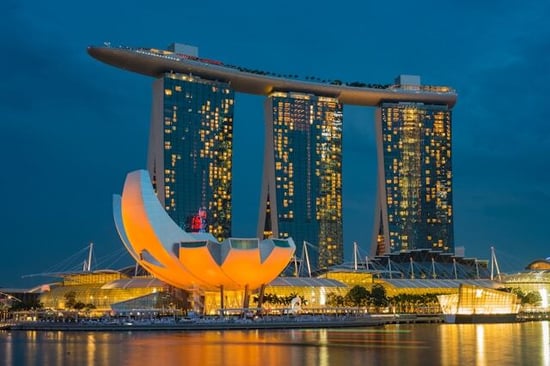
 When startups start thinking about scaling beyond their home market, the conversation usually revolves around funding, hiring, and product expansion. What often gets less attention is where those operations should actually be based. Location still matters, even in a remote-friendly world. For many global startups, Singapore has become a practical and strategic choice, not because it is trendy, but because it works.
Singapore has quietly positioned itself as a place where global businesses can operate efficiently while staying connected to multiple markets. For founders looking to expand into Asia or build a truly international footprint, it offers a balance that few other places can match.
A Gateway Between Regions
Singapore’s location is one of its biggest advantages, but it goes beyond being a dot on the map. It sits at the intersection of Southeast Asia, East Asia, and global trade routes, making it easier for companies to manage operations across different regions without fully committing to a single massive market right away.
For startups based in the United States, Singapore provides a natural entry point into Asia without the complexity of operating separately in multiple countries. For Asian startups, it offers a stable base with strong ties to Western markets. This two-way connectivity is a big reason why companies use Singapore as a regional headquarters rather than just a satellite office.
A Business Environment Built for Speed
One of the biggest challenges startups face when expanding internationally is friction. That friction can come from regulations, banking, legal processes, or even basic administrative tasks. Singapore has built a reputation for minimizing these obstacles.
Company incorporation is straightforward, intellectual property protections are strong, and the regulatory framework is predictable. That predictability matters when founders are already juggling growth, fundraising, and team building. Instead of spending months navigating unclear processes, teams can focus on execution.
Many founders track funding activity, leadership changes, and company growth signals to understand how fast-moving businesses are scaling and where capital is flowing. Having access to up-to-date data helps teams make smarter decisions about expansion timing and location.
Strong Access to Capital and Investors
 Singapore’s startup ecosystem is closely tied to global capital. Venture firms, private equity groups, and institutional investors are actively operating in the region, not just for local deals but also for companies with international ambitions.
Singapore-based startups regularly raise capital to support expansion across Asia, Europe, and the U.S. Companies like Osome, which raised a significant Series B round, demonstrate how startups can operate globally while maintaining a Singapore base. These funding rounds are closely watched by founders who want to understand how similar companies position themselves and attract investors.
What stands out is that investors in Singapore often think regionally rather than locally. Funding is often tied to cross-border growth strategies, which align well with startups that do not want to remain confined to a single market.
Talent Without Borders
Hiring internationally can be complicated, but Singapore makes it easier than most places. The city attracts talent from across Asia, Europe, and North America. Engineers, marketers, operators, and founders from diverse backgrounds end up working in the same ecosystem, naturally creating companies with a global mindset.
English being the primary business language helps reduce friction, especially for U.S. and European founders. Cultural familiarity combined with regional diversity makes Singapore an easy place to build distributed teams while maintaining strong coordination.
For startups that rely on remote or hybrid setups, Singapore often serves as a coordination hub rather than a single point of operation. Teams may be spread across time zones, but decision-making and strategy remain centralized.
Infrastructure That Supports Daily Operations
Scaling globally is not just about high-level strategy. It is also about handling the everyday operational details that keep a company running smoothly. Singapore’s infrastructure supports that reality well.
Reliable logistics, efficient ports, strong digital connectivity, and a well-developed financial system all play a role. These factors reduce the number of operational risks startups have to manage as they grow.
Even areas that may seem minor at first, like brand presentation and physical materials, become more important as companies expand. Whether it is onboarding new partners, attending regional events, or maintaining consistent branding across markets, startups often rely on dependable local vendors. Some teams work with partners such as MeowPrint.sg to handle print and branding needs while managing broader operations from Singapore.
Government Support Without Heavy Interference
Singapore’s government plays an active role in supporting startups, but it does so in a way that generally avoids over-intervention. Programs focused on innovation, technology adoption, and international expansion provide resources without dictating how companies should operate.
This approach creates a sense of stability. Founders know what support exists, but they are not forced into rigid structures. That balance is appealing to startups that value independence while still benefiting from a strong ecosystem.
A Proven Track Record of Scaling Companies
 Singapore’s reputation as a startup hub is not theoretical. Many companies have successfully scaled from Singapore into global markets, particularly in fintech, SaaS, logistics, and e-commerce.
When founders research where to base their operations, they often look at where similar companies have succeeded. Tracking funding rounds, acquisitions, and expansion patterns helps teams understand how companies grow and where they expand next. These patterns reinforce Singapore’s role as a launchpad rather than a limitation.
Comparison With Other Startup Hubs
There are plenty of strong startup hubs around the world. Silicon Valley offers deep technical talent and capital. London provides access to Europe. Berlin has a strong creative and engineering culture. What makes Singapore different is how efficiently it connects multiple regions without forcing startups to choose one dominant market too early.
For companies that want flexibility, Singapore offers room to experiment, adapt, and scale in stages. That flexibility can be more valuable than being locked into a single competitive environment.
Why This Matters for Global Founders
Global expansion is rarely linear. Markets change, funding conditions shift, and customer behavior evolves. Choosing a base that can adapt to those changes is just as important as choosing the right product or growth strategy.
Singapore provides startups with a stable foundation while keeping the doors open to new opportunities. Its combination of location, infrastructure, talent, and access to capital makes it a practical choice for companies that think beyond borders from day one.
For founders planning their next phase of growth, understanding why Singapore continues to attract global startups can help shape smarter operational decisions and long-term strategies.
Singapore as a Startup Operations Hub: FAQs

When is the right time to set up a Singapore base?
Singapore makes the most sense when you have a clear reason to be in-region, such as hiring, partnerships, customer expansion, or regulatory certainty. If you are still testing demand, some teams start with a lighter operational footprint and formalize once traction is proven.
Do you need a full local team to benefit from Singapore?
Not necessarily. Many startups use Singapore as a coordination and governance hub while teams operate across multiple countries. The key is being intentional about which functions need to sit centrally and which can remain distributed.
What should founders prepare before incorporation and banking?
Have your ownership structure, board/decision-making model, and operating plan clear enough to explain in plain language. Startups also benefit from tidy documentation on customers, revenue model, and expected transaction flows, because operational clarity tends to reduce delays later.
How do startups avoid building an “HQ in name only”?
Ensure the Singapore presence plays a real role, such as regional leadership, financial controls, commercial operations, or partner management. If it exists purely on paper, you risk adding admin without operational benefit.
What are the common mistakes when using Singapore as a regional hub?
A frequent mistake is assuming one “Asia strategy” works everywhere, then underestimating how different markets behave. Another is rolling out inconsistent hiring, compensation, or performance practices across countries, which creates avoidable complexity and employee frustration.
How should founders think about compliance across multiple countries?
Treat Singapore as the place where standards are set, but recognize that local execution still varies. Clear policies, documented processes, and regular reviews with regional advisors help reduce the risk of surprises as you scale.
Is Singapore still valuable if your company is fully remote?
It can be, especially if you want a stable base for regional leadership, investor access, and structured operations. For remote teams, the value often lies in having one place where decisions, governance, and key relationships remain consistent.