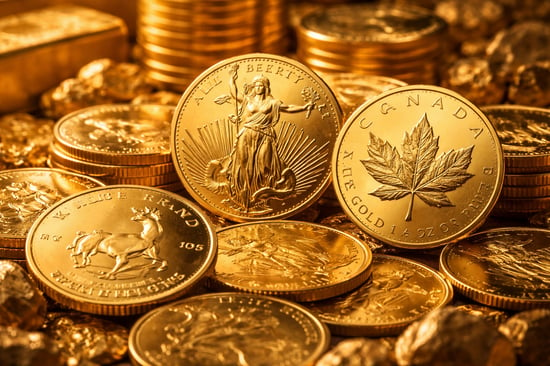
 Gold has occupied a central role in the development of human civilization and the expansion of international trade for several thousand years. From the ancient empires of the Mediterranean to the modern financial centers of the world, this yellow metal has remained a constant symbol of stability. Its unique physical properties and scarcity make it the ultimate hedge against economic uncertainty.
The transition from raw gold dust and bars to standardized units of weight allowed for the creation of a more efficient and reliable marketplace. People needed a way to verify the value of their holdings without having to perform a complex assay during every single transaction at the market. This led to the rise of government backed minting processes that guaranteed the purity of the metal.
Centuries of successful use in every major global economy have created a deep and lasting perception of intrinsic value for the metal. Even in an era defined by digital currency and complex paper assets, people still look to physical metal for long-term security.
Many of the most successful private investors today continue to build their wealth by regularly acquiring high-quality gold bullion coins.
Early Coinage Systems and Ancient Trade Routes
The first recognized coinage systems emerged in the region of Lydia several hundred years before the start of the common era. These early pieces were made of electrum, a natural alloy of gold and silver, and were stamped with symbols of state authority to attest to their value. This innovation enabled much faster trade between cities and regions across the ancient world.
Trade routes like the Silk Road eventually carried these gold units across vast distances, connecting Europe with the growing economies of the East. Because gold was universally recognized and accepted, it became the primary language of international commerce for traveling merchants. It bridged the gap between different cultures and languages that otherwise had very little in common with each other.
Sovereigns and emperors recognized that a stable currency was the foundation of a powerful and long lasting state for their people. By maintaining a high standard for their gold pieces, they ensured that their influence would spread as far as the metal could travel. This historical adoption established a precedent for the global monetary systems that would eventually follow in later centuries.
Modern Minting and Purity Standards
The industrial revolution brought about massive changes in how precious metals were processed and turned into finished products for the public. Modern mints now use sophisticated refining techniques to achieve purity levels of ninety nine point nine percent or higher in every piece. This technical precision ensures that the metal is of the highest possible quality for the investor.
Standardization has become the hallmark of the modern bullion industry, with most major nations producing coins that contain exactly one troy ounce of gold. These specifications are strictly enforced by government agencies to maintain the integrity of the national brand on the international stage. This consistency allows for a transparent and predictable market where everyone knows the value.
Computerized manufacturing allows for intricate designs and security features that protect the metal from counterfeiting and tampering in the marketplace. These visual cues, such as micro engraving and specialized textures, provide an extra layer of confidence for the average buyer today. High standards in production are what keep the industry healthy and trusted by millions of people.
How Governments and Investors Shaped Global Trust
.jpeg?width=550&height=413&name=3D%20Earth%20with%20global%20connections%20(Collage%20images%20from%20www.nasa.gov).jpeg) Government backing provides a legal framework that confers a unique status on bullion coins relative to private bars or raw nuggets. By assigning a face value to the pieces, the issuing nation confirms that they are legal tender and meet all the necessary weight requirements. This official seal of approval creates a high level of liquidity in the market.
Government backing provides a legal framework that confers a unique status on bullion coins relative to private bars or raw nuggets. By assigning a face value to the pieces, the issuing nation confirms that they are legal tender and meet all the necessary weight requirements. This official seal of approval creates a high level of liquidity in the market.
Institutional investors and central banks still hold massive amounts of gold as a primary reserve asset to protect their national currencies. Their continued participation in the market signals a deep and enduring trust in the long-term stability of the metal over paper alternatives. When the largest financial entities in the world value gold, private individuals naturally follow their lead.
Trust is also built through the transparent pricing and the ease of resale found in almost every major city around the globe today. Because the product is so widely recognized, a seller can receive a fair price based on the current international spot rate without a long wait. This accessibility is the result of decades of professional market development and consumer education.
Present Day Demand and Global Market Cycles
Current demand for physical gold often spikes during periods of geopolitical tension or high inflation in the global economy. Investors seek assets that do not depend on the performance of a particular government or a single banking system for their value. This flight to quality is a recurring pattern that has defined the market for many generations of owners.
The rise of the middle class in emerging markets such as India and China has also added a substantial new layer of demand to the industry. In these cultures, gold is often regarded as a vital component of a family’s long-term savings plan and a necessary element of traditional celebrations. This cultural connection ensures that the global market remains vibrant and active throughout the year.
Market cycles fluctuate based on interest rates and the strength of the major currencies, but the underlying desire for gold remains constant. Even during quiet periods, the steady accumulation of metal by long term holders provides a solid floor for the price. Understanding these trends helps the average person decide when to add to their personal holdings of hard assets.
Business and Investors Like Permanence
Recapping the history of gold shows that its value is the result of thousands of years of human consensus and technical refinement. It is the only asset that has successfully survived the collapse of countless empires and the failure of many different paper currencies.
This track record is what creates the sense of permanence that investors find so attractive today.
Centuries of use as a primary medium of exchange have solidified the metal's role as a universal standard of wealth. From the ancient coins of Lydia to the modern eagles of the United States, the core promise of the metal remains unchanged.
Reliability is the most important feature of any product intended to store value across different generations.
The future of the gold market will likely continue to follow the same path of stability and trust that it has walked for millennia. As the world becomes more digital and uncertain, the appeal of a physical and recognizable asset will only grow stronger for everyone. High standards in minting and professional trade ensure that gold remains the cornerstone of wealth.