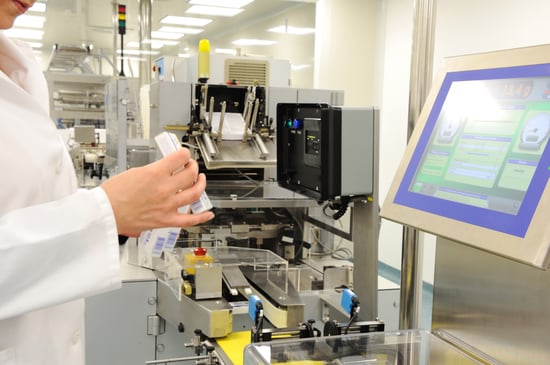
 Every shop aims for cleaner edges, less scrap, and smoother runs, yet many teams still struggle to balance accuracy with speed on busy floors. As demand shifts toward tighter shapes and more complex layouts, older methods sometimes fall short.
A clear approach to advanced cutting methods can help teams gain better outcomes without adding stress to daily schedules. Small changes in the type of tool, the way materials move, or the plan behind each cut can make a major difference in how parts fit together later.
This guide shows how different precision tools support stable results, how they fit into real workflows, and what details matter before choosing the right system for long-term needs.
Understanding Modern Precision Cutting
Manufacturers often work with metals, composites, plastics, and layered surfaces that need tight control. Precision cutting methods help maintain exact shapes while protecting the material from unwanted damage. Some tools use heat, some use motion, and others use controlled streams to create smooth lines.
Each method is chosen based on the part’s size, thickness, or role in the larger assembly. For example, a thin panel might require sharp corners, while a thick plate must remain stable throughout the process. Asking simple questions such as “Which feature matters most for this part?” helps shops pick the right method for the task.
Key Technologies Shaping Modern Cutting
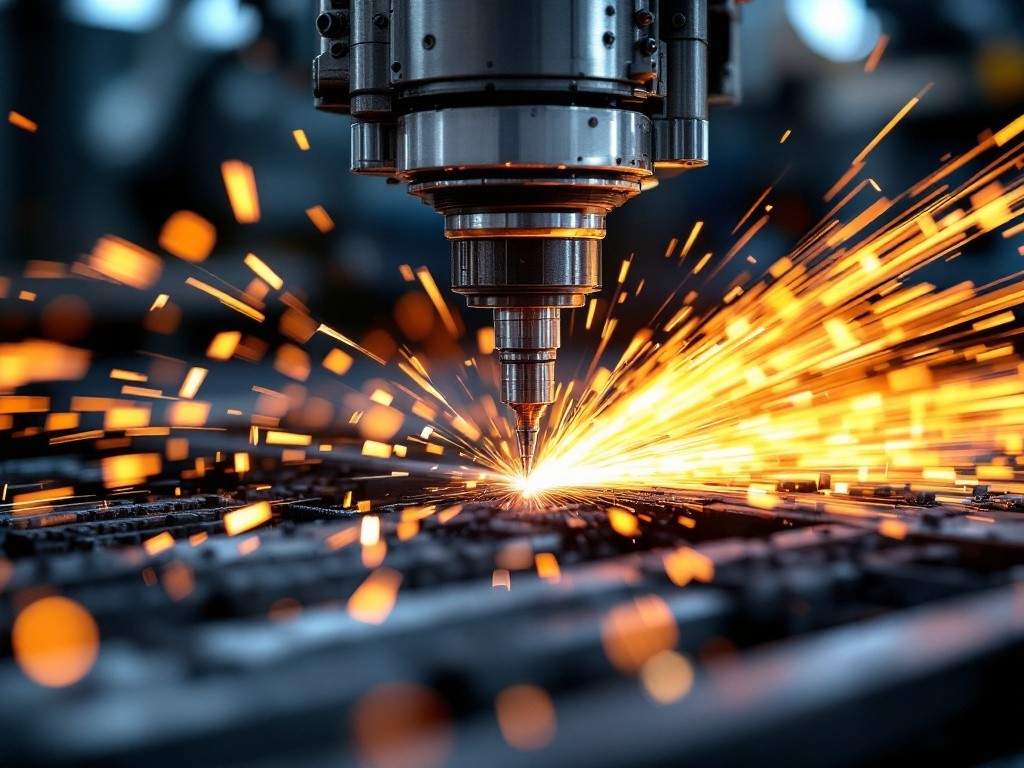
Teams rely on fast laser cutters, powerful plasma systems, steady CNC mills, and abrasive tools to keep production moving. These methods help shops handle different thickness levels, work with varied surfaces, and support both simple and complex part layouts.
Among the leading high-precision methods, water jet cutting plays a central role because it maintains material stability while creating clean edges without heat. Its controlled stream supports tight shapes on metals, composites, and layered parts that must stay true during later steps.
Providers like OMAX Corp, a Hypertherm Company, support this approach with systems built for steady pressure paths and clear digital controls, helping teams follow complex designs while keeping surfaces smooth and consistent.
Integrating Precision Tools Into Production
Adding a new tool requires planning so the setup fits well within the existing layout. Some manufacturers place a machine near material storage to reduce movement, while others keep them closer to finishing areas for quicker transitions. A smooth flow saves time, especially when working on large pieces.
Training also plays a major role. Clear steps help operators stay safe while learning new controls. For example, a short practice run with scrap material can help workers understand how the stream or cutter responds to different paths.
Teams also monitor key metrics like scrap rate, cycle time, and downtime to see how the new method affects overall output. Even small improvements in one area can expand capacity across the line.
Benefits That Improve Production Flow
 Better accuracy supports smoother downstream steps and reduces the need for extra handling. When parts leave the machine with clean edges and precise shapes, teams spend less time correcting flaws or reworking corners.
This helps reduce scrap, since fewer pieces need to be discarded or reprocessed. Precise cuts also support a better fit during assembly, which keeps later stages more predictable and less stressful for operators working under tight schedules.
Many shops notice improvements in cycle times after adopting a cleaner method. With fewer pauses for sanding or minor fixes, the workflow feels more stable. This steady rhythm makes it easier to plan batches, coordinate shifts, and keep each station moving at a consistent pace. Over time, these small changes help raise overall output without increasing pressure on the floor.
Avoiding Common Mistakes
Some teams choose a tool solely for speed, then later realize it does not hold the shape they need. Checking tolerance limits early prevents this issue. Others focus only on upfront costs and forget to consider ongoing expenses, such as consumables or support needs.
A few helpful reminders include:
- Test real materials before the final choice
- Check how the system performs on curves, corners, and thin shapes
- Review how simple the software feels for daily use
Avoiding these missteps helps shops create a more stable setup and use their tools with more confidence.
Conclusion
Better results begin with clear steps, reliable tools, and a method that supports both accuracy and flow. When teams understand how each technology shapes material and fits into daily tasks, they make choices that support long-term stability.
A balanced approach reduces waste, improves consistency, and helps shops stay ready for changing demands without adding strain to the line.