 Manufacturing work is made up of hundreds of small, daily decisions. Teams plan jobs, schedule machines, check materials, track labor, and respond to changes on the shop floor. When these tasks are handled using disconnected tools or manual processes, even simple work becomes harder than it needs to be.
Manufacturing software helps bring structure and visibility to daily operations. Instead of reacting to problems after they occur, teams can plan work more accurately, track progress in real time, and make informed decisions throughout the day.
Below are ten practical ways manufacturing software supports daily work and helps teams stay organized, productive, and in control.
1. Keeps Job Information in One Place
One of the biggest challenges in daily operations is finding accurate job information. When details are spread across spreadsheets, emails, and paper documents, teams waste time searching for answers or working with outdated data.
Manufacturing software centralizes job information, including:
- Work orders and job status
- Routing steps and operations
- Required materials
- Due dates and priorities
With everything in one system, teams spend less time tracking information and more time completing work. This is one of the main reasons manufacturers move toward integrated manufacturing software instead of relying on disconnected tools.
2. Makes Daily Scheduling More Predictable
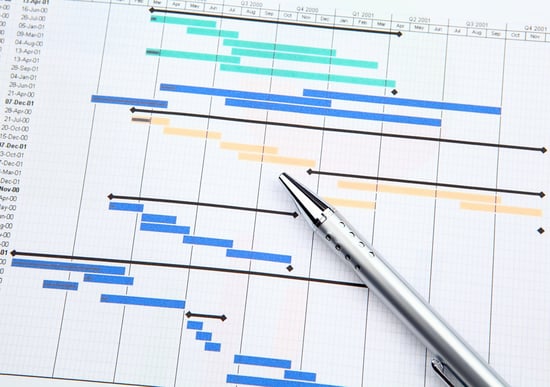 Daily schedules often change due to rush orders, machine issues, or material delays. Without proper tools, planners must manually adjust schedules, which can lead to mistakes and confusion.
Manufacturing software supports daily scheduling by:
- Showing current capacity by machine and labor
- Highlighting bottlenecks and conflicts
- Allowing quick schedule adjustments
- Keeping everyone aligned on priorities
3. Helps Teams Know What to Work On Next
Unclear priorities slow down production. Operators may not know which job to start next, or supervisors may spend time answering basic questions about job status.
Manufacturing software provides clear visibility into:
- Job queues by work center
- Priority orders
- Due dates and delivery commitments
4. Improves Material Availability for Daily Production
Material shortages are a common cause of downtime. When inventory is tracked manually, teams may not realize materials are missing until work is scheduled to start.
Manufacturing software connects inventory with production planning, allowing teams to:
- See available stock in real time
- Allocate materials to jobs
- Identify shortages early
- Trigger purchasing based on demand
5. Supports Accurate Time and Labor Tracking
 Labor tracking is a daily task that directly impacts job costing and performance analysis. Without consistent tracking, labor data is often incomplete or inaccurate.
Manufacturing software allows teams to:
- Record time by job and operation
- Track setup and run time separately
- Compare planned vs actual labor hours
- Monitor productivity throughout the day
Shops using manufacturing erp software benefit from having labor data tied directly to jobs, making it easier to identify inefficiencies and improve future planning.
6. Provides Real-Time Job Cost Visibility
Many manufacturers only review job costs after completion, which limits their ability to control expenses during production. Manufacturing software provides ongoing visibility into job costs as work progresses.
This includes:
- Labor costs accumulating in real time
- Material usage recorded against jobs
- Overhead applied automatically
7. Reduces Manual Data Entry and Errors
Manual data entry is time-consuming and error-prone. When information must be entered into multiple systems, errors increase, and data becomes inconsistent.
Manufacturing software reduces manual work by:
- Sharing data across departments
- Eliminating duplicate entry
- Updating records automatically when changes occur
8. Improves Communication Across Teams
 Daily work involves coordination between production, purchasing, planning, and finance. Without shared visibility, miscommunication is common.
Manufacturing software improves communication by:
- Providing a shared view of job status
- Aligning schedules and material plans
- Making updates visible to all relevant teams
For organizations with multiple locations or remote staff, cloud erp solutions make it easier for teams to access the same information regardless of where they are working.
9. Makes Reporting Easier and More Useful
Managers rely on daily reports to understand performance and make decisions. Without integrated software, reports are often delayed or incomplete.
Manufacturing software supports daily reporting by providing:
- Job status and backlog reports
- Production performance metrics
- Inventory levels and usage
- Labor and cost summaries
10. Helps Teams Stay Organized as Work Changes
Manufacturing environments are rarely static. Priorities change, orders are updated, and unexpected issues arise. Manufacturing software helps teams stay organized even when plans change.
By keeping data connected and up to date, the system ensures that:
- Schedule changes are reflected across departments
- Cost impacts are visible immediately
- Teams work with consistent information
Why Manufacturing Software Matters for Daily Work
Manufacturing software is not just about long-term planning or financial reporting. Its real value comes from supporting the small decisions made every day on the shop floor and in the office.
By improving visibility, reducing manual work, and connecting data across departments, manufacturing software helps teams:
- Work more efficiently
- Reduce errors and rework
- Improve delivery performance
- Maintain better control over costs
Who Benefits Most From Manufacturing Software?
Manufacturing software is especially helpful for:
- Job shops and custom manufacturers
- Make-to-order and engineer-to-order businesses
- Small and mid-sized manufacturers managing complex workflows
In these environments, daily visibility and flexibility are critical to success.
Final Thoughts
Daily manufacturing work involves constant coordination, decision-making, and problem-solving. Manufacturing software helps simplify this work by providing a clear, connected view of jobs, schedules, materials, labor, and costs.