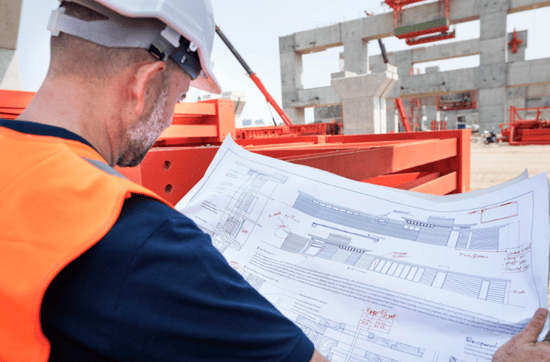
 When construction teams aim to build efficiently and minimize risks, clear and accurate specifications are the foundation. Specifications set the tone for everything from materials to methods, helping stakeholders align before ground is broken.
In a world where miscommunication can delay timelines or inflate costs, knowing the different types of specifications in construction.
What Are Construction Specifications?
Construction specifications are written descriptions of the work that will be performed during a building project. They guide contractors, architects, and engineers by outlining standards, materials, installation methods, and performance requirements for each structural component. These documents complement drawings and plans, providing the details needed to interpret how the project will unfold.
Specifications ensure everyone is on the same page. They answer questions like: What materials are acceptable? How should components be installed? What quality benchmarks must be met?
Detailed and thorough specifications reduce room for interpretation. When the instructions are clear, contractors spend less time clarifying with architects or project managers. This improved communication translates to time saved on-site, fewer delays, and better coordination across teams.
Why Specifications Matter Early
The earlier specifications are addressed, the smoother the construction process becomes. Upfront clarity helps identify potential conflicts, reduce the need for costly revisions, and avoid disputes later on. When specifications are built into the planning process, they serve as a roadmap that reduces uncertainty.
Clear specs also promote better collaboration between owners, designers, and builders. Providing a common reference point for all parties makes it easier to evaluate bids, ensure compliance, and verify deliverables.
Including specifications at the beginning of a project also enhances budgeting accuracy. With detailed documentation of material requirements and performance standards, estimators can create more reliable cost projections. This helps reduce unexpected expenses and keeps the project on track financially.
Different Types Serve Different Needs
While all specifications share the goal of clarity, they present information in different ways. For example:
● Descriptive specifications explain the characteristics of materials and installation methods in detail.
● Performance specifications focus on the expected outcome, leaving room for contractors to choose the means.
● Proprietary specifications name specific brands or products to be used.
● Reference specifications point to established standards such as those from ASTM or ANSI.
Each type supports different project goals and levels of flexibility. Choosing the right format depends on the project's complexity, risk level, and the need for innovation or standardization.
Descriptive specifications work best when the designer wants full control over the final result. Performance specifications are ideal when contractors have flexibility in how they achieve the required result.
Proprietary specifications are used when a specific product must be included, often to meet warranty or compatibility requirements. Reference specifications simplify the process by pointing to widely accepted standards, saving time without sacrificing clarity.
Specifications and Risk Management
 Poorly written or missing specifications can introduce risk. Without clear guidance, teams might make assumptions that lead to quality issues or safety concerns. On the other hand, well-developed specifications can prevent these problems by laying out expectations in unambiguous terms.
In today’s environment, where timelines are tight and budgets are under pressure, proactive risk reduction is more important than ever. Tools that enhance specification clarity, such as AI platforms for contract and specification review, are becoming increasingly valuable.
By reviewing specifications for inconsistencies or vague language, digital tools can reduce the chance of disputes during construction. These platforms often highlight areas of concern and suggest improvements, providing an extra layer of protection before any materials are ordered or work begins.
Clear specifications also reduce the risk of non-compliance with building codes or legal regulations. When requirements are well documented, inspections are more likely to proceed smoothly, and the risk of legal exposure decreases. This makes the entire construction process more secure for everyone involved.
Making Specs Work for You
Effective specifications do more than describe materials. They define project success. For firms aiming to deliver on time and within budget, making specs a priority is a strategic decision. It empowers everyone involved to move forward with confidence.
Investing time and care in the specification phase pays off throughout the build lifecycle. Whether you are coordinating subcontractors, managing compliance, or simply trying to avoid surprises, strong specs give your project the structure it needs to succeed.
Making specifications work also means updating them as the project evolves. Site conditions change, material availability fluctuates, and design adjustments are sometimes necessary. Specifications should reflect these changes clearly and promptly to keep everyone informed and aligned.
Training teams to interpret and apply specifications can also improve outcomes. When everyone understands the role specifications play and how to follow them, it creates a more accountable and efficient job site.
Finally, integrating digital solutions into the specification workflow can improve accuracy and reduce administrative burden. Cloud-based platforms enable real-time collaboration and version control, making it easier to keep documents up to date and accessible to everyone involved.
By giving attention to specifications early and often, construction professionals lay the groundwork for successful, well-managed projects. They transform what could be a source of confusion into a tool for clarity and coordination.