 Field sales performance often suffers before a representative enters the meeting room. Delayed trains, poorly sequenced appointments, excess baggage, and uncertain transfer times can turn a productive day into a costly exercise in waiting.
Sales leaders tend to monitor meetings booked, opportunities created, and deals advanced. Transit logistics deserves the same attention. A practical system for routing, baggage storage, and schedule design helps representatives arrive prepared while giving managers a clearer view of the true cost of field activity.
The Real Cost of Travel Drag
Travel drag includes every avoidable minute and expense between productive sales activities. It covers indirect routes, long gaps between appointments, unnecessary returns to a hotel, and late arrivals caused by schedules with no margin for disruption.
The direct cost is relatively easy to see. Add rail or airfare, local transportation, lodging, and meal allowances. The indirect cost takes more work to measure. If an account executive earning $120,000 spends five hours each week on preventable transfers, the company loses roughly 30 working days of that employee’s time over a year. That estimate still excludes missed follow-ups and meetings attended with little preparation.
Start tracking three figures for each trip:
- Total travel time between business activities
- Productive meeting and preparation time
- Costs caused by changes, delays, and unused bookings
This creates a travel-efficiency baseline. A four-day trip with eight client meetings may look productive, but the picture changes if 18 hours disappear into local transfers and idle gaps. Logistics teams already use similar visibility principles to control shipment costs. The discussion of enterprise-grade logistics shows how centralized data and consistent processes can support better operational decisions across organizations of different sizes.
Sales operations can apply the same discipline. Review trip data monthly, identify repeat sources of delay, and assign a dollar value to wasted time. That gives leaders a factual case for better booking policies and route-planning tools.
Moving Between Enterprise Pitches
An enterprise sales day rarely follows a simple office-to-office pattern. A representative might begin with a breakfast meeting, deliver a presentation at a regional headquarters, and finish with a partner discussion across the city. Each appointment may also involve different attendees, materials, and preparation needs.
Build the itinerary around fixed meetings first. Then check realistic door-to-door travel times, including station exits, building security, and a buffer for locating the correct entrance. A mapping tool may show a 25-minute ride, but the actual transfer can take 45 minutes once you include those details. Guidance on sales route planning explains why territory design and appointment sequencing need to reflect location data as well as sales priorities.
Baggage should also be treated as part of the route. Representatives traveling between cities may check out early and continue to meetings before an evening departure. Carrying a suitcase through every stop slows transfers and can make arrivals at client offices awkward. For a Frankfurt schedule, the team’s pre-trip checklist might include the practical question, “Is there luggage storage at Frankfurt Hauptbahnhof?” so traveling staff can assess a temporary storage option before booking their meeting sequence.
Assign one person to verify the complete route 48 hours before departure. That review should confirm travel times, accessibility, storage arrangements, and cancellation terms. It should also record one backup route between the day’s highest-value meetings.
Solving Hub Transit Baggage Stalls
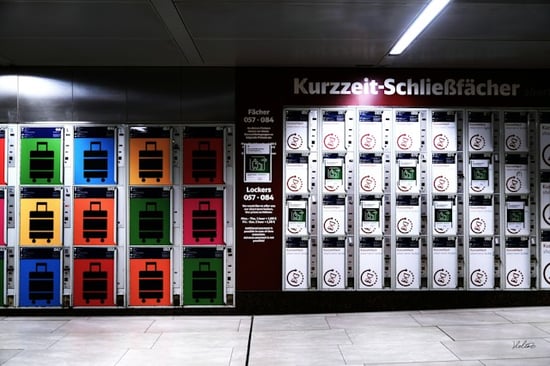
Major transportation hubs can either simplify a sales trip or create a bottleneck. Representatives often lose time deciding where to leave bags, locating the service after arrival, or waiting in a line they didn’t expect. A 20-minute delay at the start of the day can affect every appointment that follows.
Create a hub plan for cities your team visits frequently. Keep it in the sales operations system beside hotel preferences and account notes. The plan should identify the relevant terminal or station area, expected walking time to the first appointment, and any temporary storage arrangements. Include operating hours and booking details where applicable. Staff should verify these details before each trip because availability can change.
The plan also needs a clear threshold for returning to a hotel. If that detour adds 50 minutes to the route, a central storage location may support a more efficient schedule. If the hotel sits beside the next meeting, leaving the bag there could be simpler. The decision should follow the day’s geography.
Transport infrastructure itself varies widely in cost, scale, and efficiency. The Transit Costs Study documents how project management and institutional choices affect transit construction outcomes. Sales teams don’t control those systems, but they can avoid assuming that every hub or route works the same way. This is particularly relevant for a service-based business, where reliable scheduling and efficient movement between client appointments can directly affect daily operations.
After each trip, ask representatives to record problems in a short shared note. Over time, those reports become a useful operating guide with accurate transfer times, reliable meeting points, and warnings about confusing station layouts.
Smarter Day Schedules for Road Warriors
A strong field schedule protects the work that surrounds the pitch. Representatives need time to review account history before a meeting and capture useful notes afterward. Packing six appointments into one day may increase activity counts while reducing the quality of each conversation.
Limit high-stakes enterprise meetings to a realistic number. Three substantial pitches in one day can already require several hours of preparation, discussion, and follow-up. Shorter relationship meetings can fill nearby gaps, but every appointment should have a defined purpose. If a stop doesn’t advance an opportunity, strengthen an account, or support a partner, it may belong on a video call.
Geographic clustering can cut transfer time without weakening account priorities. Insights on field sales route efficiency emphasize factors such as route optimization, customer priority, and real-time schedule changes. In practice, that could mean scheduling two accounts in the same business district on Tuesday, then visiting a suburban client and nearby channel partner on Wednesday.
Protect two buffers every day. The first should sit before the highest-value pitch, giving the representative time to arrive, settle in, and review key points. The second should remain open near the end of the schedule so an extended client conversation doesn’t trigger missed transportation or a rushed departure.
Managers should also define when a schedule can change. A delayed train may justify moving a low-priority meeting to video, while a last-minute request from a major prospect could warrant adjusting the afternoon route. Clear decision rules help representatives respond quickly without waiting for several approvals.
Transit planning should become part of opportunity planning, especially when teams cover large territories. Add route feasibility, baggage arrangements, and preparation windows to the trip approval process. The result will show up in specific places: fewer rushed arrivals, cleaner meeting notes, and more working hours spent with the accounts that justify the travel.